Monday, October 24, 2011

If you have prediabetes, do something about it now

Before people develop type 2 diabetes, they typically have prediabetes or impaired fasting blood glucose. If your blood sugar level is over 100 mg/dL (5.5 mmol) but less than 126 mg/dL (7 mmol), you're considered to have prediabetes.

Prediabetes/diabetes has developed into a worldwide epidemic. There are 57 million people in the United States alone who have prediabetes and most don't know it, according to the American Diabetes Association.

Sorry to say, many people who think they're "borderline diabetic" or have "a touch of diabetes" think that they're safe. However, research has revealed that some long-term damage is being done to the body, especially to the heart and circulatory system.

Risk factors for prediabetes and diabetes:

  • You're overweight or obese. This can keep your body from making and using insulin properly. Being overweight can also cause high blood pressure.
  • You have a parent, brother or sister with diabetes. If you have a relative with type 2 diabetes, this more than doubles your risk of getting the disease.
  • You're African-American, American Indian, Asian-American, Pacific Islander or of Hispanic/Latino heritage.
  • You had gestational diabetes or gave birth to at least one baby who weighed more than 9 pounds (4.1 kilograms).
  • You have high blood pressure.
  • Your HDL or "good" cholesterol is below 35 mg/dL (0.9 mmol/L) or your triglyceride level is above 250 mg/dL (2.83 mmol/L).
  • You exercise fewer than three times a week.

Diagnosis

You can have prediabetes and not know it. Two tests are commonly used to diagnose prediabetes:

  • Fasting blood glucose. Measures blood glucose first thing in the morning before you eat. A normal fasting blood glucose is between 70 to100 mg/dL (3.8 to 5.5 mmol). You have prediabetes if your fasting blood sugar is 101 to 125 mg/dL (5.6 to 6.9 mmol).
  • Oral glucose tolerance test. Measures blood glucose after fasting and again 2 hours after drinking a glucose-rich drink. Normal blood glucose is below 140 mg/dL (7.7 mmol) 2 hours after the drink. In prediabetes, the 2-hour blood glucose is 140 to 199 mg/dL (7.8 to 11.0 mmol/L). If the 2-hour blood glucose rises to 200 mg/dL (11.1 mmol) or above, you have diabetes.

If you have prediabetes, you should do something about it. Studies have shown that people with prediabetes can prevent or delay the development of type 2 diabetes by up to 58 percent through changes to their lifestyle, including modest weight loss (as little as 5 to 7 percent of your current weight) and increasing physical exercise.

Tuesday, October 18, 2011

Diabetes the World Over

Diabetes is one of the major causes of death in the world and unfortunately it is increasingly affecting us more than we realize. The expenditure on diabetes alone is in the billions with an estimate of 347 million people having diabetes in 2008.

Millions of people in Asia alone, mainly China and India, have this terrible disease, however that may not seem alarming enough for most people. To put it into perspective, a recent study by the United Health Group claimed that it may take more than $22000 per year to treat a single diabetic.

Putting this information together with the amount of people with the fact that an ever increasing number of people, currently in the hundreds of millions, may cause even an economically advancing country like China reverse back on its economic growth. The rather interesting fact about diabetes is that the most common form of this disease, Type 2 diabetes, may be caused by obesity and the inactive lifestyle that most Americans have adopted.

This form of diabetes is avoidable and makes one wonder about the costs that can be avoided if only a fraction of the people suffering from Type 2 diabetes can be made to improve their lifestyles and eating habits. The problem, however, lies with identifying pre-diabetics before going on to help them avoid diabetes altogether. Many countries are now conducting mass screenings for their public to find people close to falling prey to diabetes in order to save money by avoiding the treatment costs of diabetes.

This is a rather cumbersome task as there are many problems that come in the way of managing such a monumental task properly, such as the amount of time it takes to screen a huge amount of people, the sheer task of managing such a large amount of tests, the lack of a large enough staff that is adequately trained and so on. The main method to identify diabetes in a person is a blood glucose test. However this method is not suitable for the masses as it requires the person being tested to fast for 10 hours before the actual test, not to mention the doubtfulness of the test itself

worldwide are therefore looking for ways to help people avoid diabetes. In America alone, around 79 million people are living their lives without knowing that they are pretty close to getting diabetes. If these people can be made to avoid diabetes then America and its public health care system and insurance companies can avoid spending huge amounts of money for the treatment of diabetes. It is upon us to improve our lifestyles and eating habits in order to lead a life without the unimaginable burden of diabetes which would help save a huge amount of money and even more importantly help us lead a better life.

Learn to Diet to Control Your Diabetes

Diabetes is affecting more and more people the world over. In America alone, millions of people are suffering and yet millions are unaware of the fact that they are edging closer and closer to diabetes. This is not surprising considering the rather lazy lifestyles that most of us have adopted and the harmful reliance on junk food that we have allowed to dominate over our eating habits.

Changing only two things about our lives can help us avoid or control diabetes; firstly we need to move into a more active lifestyle and even more importantly we need to organize our diet and eat healthy.  Eating healthy does not mean throwing all the goodies away and preparing our kitchens for carrot soup every day. Eating healthy has more to do with a balanced diet than anything else.

The first step into a balanced and healthy diet is to eat consistently without eating too much.Cut down your meal sizes into half and eat 6 meals instead of 3 throughout the day. This will keep your body efficiently burning the carbohydrates away and your blood sugar stable. Any good diet, with or without the need to control or prevent diabetes needs to have well proportioned and timely meals.

The second step is to keep moderation in mind. You do not need to throw away all the carbohydrates; rely on unprocessed food rather than foods that contain simple sugar. This will keep your energy level stable over a period of time and your blood sugar stable as well. You also do not need to shun your favorite deserts either. It is a good idea to not keep any in your fridge or kitchens; you do not want to be thinking about that brownie just a few steps away. Limit your deserts and treats to special occasions or at the very least make sure you have to go out of your way to get your hands on them.

The third step is to substitute harmful foods with healthy ones that taste just as good if not better. Substitute pies with fruit and sodas with sparkling water. You might not like the sound of this but when you see pounds of fat disappear and your body feeling much better; you are going to realize it was worth it.

Following these three steps and incorporating them into your diet will ensure that you stay at a safe distance from diabetes and unexplainable hassle and costs that come along with it.

Tuesday, September 27, 2011

Common Symptoms of Juvenile Diabetes

Juvenile diabetes normally occurs in children, and even in teenagers and young adults. This kind of diabetes causes the body to destroy insulin producing cells; insulin is what helps the glucose in our body to be made available to us as energy. Thus without insulin, our bodies will start deteriorating as they will be unable to get energy from the food that we eat. This terrible disease may happen to a child with juvenile diabetes in running in the family or even to child with no family history related to this form of diabetes. It is therefore essential to recognize the symptoms early on so that treatment can be started. There are a number of symptoms of juvenile diabetes.

One of the main symptoms of juvenile diabetes is that the starts child urinating quite often and will also start wetting the bed or wet the bed more frequently. Resultantly, the child also feels thirsty more often and gets rather fond of juice instead of water. This happens because the unused glucose needs to be gotten rid of by the body and it does so through increased urination.

Another one of the main symptoms is that the child stays hungry all the time regardless of how much he or she eats. This is because of the fact that glucose, the source of energy for the body, does not get utilized, hence the child remains hungry and even starts losing weight. The child starts craving for snacks, particularly sweet ones such as cake etc, all the time.

Yet another symptom of juvenile diabetes is that the child feels fatigued all the time and starts sleeping a lot. This not the only change in behavior as the child becomes more irritable and may refuse to play and be around other people. Once again this has a lot to do with the lack of energy in the body since there is no insulin to help use glucose to energize the body.

Blurriness of vision is another one of the main symptoms of juvenile diabetes as well. Similarly the child may also start vomiting and complain of nausea. Such a condition requires immediate medical attention as it could lead to a serious diabetic condition.

The child may even go into a coma. This is another very serious situation and needs immediate medical attention. If this situation persists for too long, the child may be exposed to an increasing risk of brain damage or even death.

Friday, September 23, 2011

What a Parent Needs to Know About Juvenile Diabetes

Juvenile diabetes can occur in children and can be any parents’ nightmare. This is why every parent should know at least a few important things regarding juvenile diabetes.

 The first thing that any parent needs to know regarding diabetes, primarily parents who have a family history of diabetes is the list of symptoms of diabetes. Some of the symptoms of diabetes are:

  • Increased urination
  • Increased thirst
  • Increased hunger
  • Weight loss regardless of the increased appetite
  • Being fatigues too often and irritability
  • Nausea and vomiting
  • Blurry vision
  • Fruity odor in breath

Knowing these symptoms is important so that any parent can identify the sign of juvenile diabetes and start getting their child medical attention early on.

Parenting a child with juvenile diabetes can be really tough task, however there is no price high enough and no task not doable for any parent when it comes to his or her own child. Raising a child with juvenile diabetes is a lot different than raising a child without it, however once it is gotten used to, the child and the parents can live their lives like they normally would.

Parents who have a child with this form of diabetes need to be alert about their child’s insulin level all the time. Such a parent needs to ask a doctor regarding insulin and giving it to the child properly. The level of insulin in the child must be at the right level when the child takes a meal and parents have to provide insulin according the carbohydrate, fat and protein intake of the child. There are various other things regarding insulin that a parent must know in order to ensure the well being of his or her child, therefore the best idea is to learn everything from a good doctor.

The blood glucose of the child has to be monitored before meals and before bedtime. The amount of glucose in the blood obviously depends on the age of the child and other such factors. This matter also has to be discussed with a doctor who can give guidance regarding the matter according to the needs of the child.

Parents also need to get as much information as possible regarding a good diet plan for the child. Eating right is essential for any child particularly a child with diabetes. Exercise is an issue that is closely related to nutrition and it is equally important for a child with diabetes in order to maintain his or her blood glucose level. However parents must make sure that the child’s blood glucose level does not fall too much during or after exercise; if it does then the child should be given a snack with carbohydrates and made to rest till the glucose level returns to normal.

Perhaps the most important thing that any parent with a diabetic child needs to know is how to manage a situation in which the child has low blood sugar. The signs of low blood sugar shakiness, sleepiness or confusion, irritability and so on. If this is the case then the parent must give an adequate amount of candy or anything sweet that can restore the blood sugar to the right amount.

Sunday, September 18, 2011

Dieting and Diabetes

Diabetes is affecting more and more people the world over. In America alone, millions of people are suffering and yet millions are unaware of the fact that they are edging closer and closer to diabetes. This is not surprising considering the rather lazy lifestyles that most of us have adopted and the harmful reliance on junk food that we have allowed to dominate over our eating habits.

Changing only two things about our lives can help us avoid or control diabetes; firstly we need to move into a more active lifestyle and even more importantly we need to organize our diet and eat healthy.  Eating healthy does not mean throwing all the goodies away and preparing our kitchens for carrot soup every day. Eating healthy has more to do with a balanced diet than anything else.

The first step into a balanced and healthy diet is to eat consistently without eating too much. Cut down your meal sizes into half and eat 6 meals instead of 3 throughout the day. This will keep your body efficiently burning the carbohydrates away and your blood sugar stable. Any good diet, with or without the need to control or prevent diabetes needs to have well proportioned and timely meals.

The second step is to keep moderation in mind. You do not need to throw away all the carbohydrates; rely on unprocessed food rather than foods that contain simple sugar. This will keep your energy level stable over a period of time and your blood sugar stable as well. You also do not need to shun your favorite deserts either. It is a good idea to not keep any in your fridge or kitchens; you do not want to be thinking about that brownie just a few steps away. Limit your deserts and treats to special occasions or at the very least make sure you have to go out of your way to get your hands on them.

The third step is to substitute harmful foods with healthy ones that taste just as good if not better. Substitute pies with fruit and sodas with sparkling water. You might not like the sound of this but when you see pounds of fat disappear and your body feeling much better; you are going to realize it was worth it.

Following these three steps and incorporating them into your diet will ensure that you stay at a safe distance from diabetes and unexplainable hassle and costs that come along with it.

Sunday, September 11, 2011

Can Gastric Bypass Improve Diabetes

A new study from Duke University Medical Center and Columbia University claims that Gastric Bypass sometimes improves type 2 diabetes long before the patients lose weight.

Even thought the study was small; 21 in all. The surgery patients had lower levels of amino acids that have been linked to insulin resistance in their systems compared to the dieters. The 10 gastric bypass patients and the 11 calorie restricted dieters all lost just a fraction of the overall weight when the analysis was conducted. But researcher says the preliminary findings are tremendous and hopefully could one day lead to diabetes treatments.

Study researcher Blandine Laferrere, MD, of Columbia University’s St. Luke’s and Roosevelt Hospital Center, tells WebMD, “Certainly weight loss by any means improves type 2 diabetes, but there is something else going on with gastric bypass surgery,”

“Surgery puts the diabetes into remission. Most of the research has focused on changes in gut hormones, but we have shown that a decline in specific circulating amino acids also occurs.”

The study only included obese people with a BMI of 35 and greater from the gastric bypass side, while the dieters were strictly monitored on a 1000 calorie restricted diet.

At the time of the study all participants had lost an average of 20lbs. The surgery patients took only one month to achieve the 20lb goal while most of the dieters took two months to reach the 20lb goal for the study.

The analysis revealed that the surgery patients had much lower levels of several types of circulating branched-chain amino acids (BCAA) and the aromatic amino acids phenylalanine (Phe) and tyrosine (Tyr).

The greatest achievement for the study was the control in blood sugar for the gastric bypass patients, all were off all diabetes drugs after that one month period. The dieters did not have the same results as almost half still needed treatment after losing the same amount of weight.

They also had greater improvements in blood sugar control. One month after surgery, all of the gastric bypass patients were off all diabetes drugs. About half the dieters still needed treatment after losing the same amount of weight.

Laferrere says this understanding could lead to new diabetes treatments that are as effective as gastric bypass surgery. “It would not be possible to offer this surgery to everyone with type 2 diabetes,” she says. “About 28 million American adults have type 2 diabetes, and about 200,000 of these surgeries are done each year.”

For more information and news on diabetes and diabetes research please check our website regularly. http://anthonycannonmd.com/

Tuesday, August 30, 2011

Skin Complications

More than 25 million Americans suffer from a very serious condition that is called diabetes; it is a chronic disease marked by increased levels of sugar in the bloodstream, and it can affect every single part of the body. 

Too often people make the mistake of dismissing diabetes as a mild condition that can be easily overcome; these people do not realize that diabetes is a serious conditions, and that if unchecked, can even cause death.  Believe it or not, diabetes is as serious a disease as they come, and when talking about the damage that it can do to a person’s body, it is important that you know that no organ or body part is safe, not even the skin. 

Diabetes can affect a person’s skin in more ways than one; as it turns out, diabetes does not only affect your health (seriously affecting your life), but also your looks.  In making you come to terms with the reality that diabetes truly is a life-changing condition, let us go over some of the skin complications that are generally associated with this condition.  Perhaps this will help you be more mindful of the disease and take extra precautions in trying to prevent it. 

  • Bacterial Infection: people with diabetes are more likely to developing bacterial infections; styes, folliculitis, boils, and carbuncles are among the more common.  These infections are generally treated using antibiotics, and they seldom constitute a serious threat to people’s lives. 
  • Fungal Infection:fungal infections are characterized by the appearance of itchy rashes surrounded by tiny blisters and scales; common infections include the following: jock itch; athlete’s foot; ringworm; vaginal infection. 
  • Allergic Reaction:some people might find that they are allergic to the prescribed medicine against diabetes; rashes, depressions, or bumps are signs of allergy, and you must watch out for them at all times. 
  • Atherosclerosis:this is a condition characterized by the thickening of the arteries; people with diabetes usually develop this condition early on.  Usually, atherosclerosis results in thin, shiny, cool, and hairless skin; toenails discolor and thicken too. 
  • Digital Sclerosis:roughly one third of people suffering from diabetes develop thick skin on the back of their hands, on their toes, and their foreheads.  When toes or fingers are affected, they become stiff and are no longer able to move normally. This, like most other skin conditions, can only be effectively healed through controlled levels of blood sugar in the blood stream.   

 If you have questions and would like more information please call our office to setup an appointment to talk to Anthony Cannon, MD at (609) 587-9944.

Thursday, August 25, 2011

Diabetes Defense: Lower Your Risk by Lowering Your Calorie Intake

Have you ever heard the old adage ‘you are what you eat’?  Surely, at one point or another you probably have, but at the same time you have probably wondered if this statement is true.  Well, in case you have not figured it out by now, it is true.  A person’s body and health is conditioned by the food that he or she consumes; the body and mind need nourishment to function adequately, so it is paramount that the correct nourishment be procured for both of them. 

Based on this, it is safe to say that healthy dieting leads to a healthy body and a healthy mind, which ultimately leads to an increased quality of life.  And, do you know what the best part of it is? It keeps your body’s defenses strong so that it can fight off diseases and keep the likes of diabetes and other life-threatening conditions away.    It might come as a shock to you, but diabetes is a life-threatening disease, and as such, it is a disease to be taken seriously.  So, what can you do in order to decrease your risk of getting diabetes?  Well, the first thing that you can do is start eating more healthy food, which pretty much comes down to lowering your calorie intake. 

Now, it is important to point out that lowering your calorie intake does not mean that you have to starve, nor does it mean that you have to engage in an extreme diet that limits your daily calorie intake to 600 calories.

However, it does mean that you should try and eat healthier foods and completely eliminate all trash foods that are high on fats and calories.   

Diabetes is a condition characterized by increased sugar in the bloodstream.  Naturally, if you eat too much, your body takes in too much calories, and since calories are ultimately broken down into glucose (which is sugar), it does make sense suggesting that a lower calorie intake lowers the risks of getting diabetes.  You are what you eat; if you want to be healthy, then you have to make sure and eat healthily.  And eating healthy does not mean eating tons of healthy foods; eating healthy is both about the quality and the quantity of the food you eat.  Therefore, make sure to plan out your diet carefully; the goal is to find a balance between the quality of the food you eat, and its quantity.

Thursday, August 18, 2011

Can Gastric Bypass Improve Diabetes

A new study from Duke University Medical Center and Columbia University claims that Gastric Bypass sometimes improves type 2 diabetes long before the patients lose weight. Even thought the study was small; 21 in all. The surgery patients had lower levels of amino acids that have been linked to insulin resistance in their systems compared to the dieters.

The 10 gastric bypass patients and the 11 calorie restricted dieters all lost just a fraction of the overall weight when the analysis was conducted. But researcher says the preliminary findings are tremendous and hopefully could one day lead to diabetes treatments. Study researcher Blandine Laferrere, MD, of Columbia University’s St. Luke’s and Roosevelt Hospital Center, tells WebMD, “Certainly weight loss by any means improves type 2 diabetes, but there is something else going on with gastric bypass surgery,”

“Surgery puts the diabetes into remission. Most of the research has focused on changes in gut hormones, but we have shown that a decline in specific circulating amino acids also occurs.” The study only included obese people with a BMI of 35 and greater from the gastric bypass side, while the dieters were strictly monitored on a 1000 calorie restricted diet. At the time of the study all participants had lost an average of 20lbs. The surgery patients took only one month to achieve the 20lb goal while most of the dieters took two months to reach the 20lb goal for the study. The analysis revealed that the surgery patients had much lower levels of several types of circulating branched-chain amino acids (BCAA) and the aromatic amino acids phenylalanine (Phe) and tyrosine (Tyr).

The greatest achievement for the study was the control in blood sugar for the gastric bypass patients, all were off all diabetes drugs after that one month period. The dieters did not have the same results as almost half still needed treatment after losing the same amount of weight. They also had greater improvements in blood sugar control. One month after surgery, all of the gastric bypass patients were off all diabetes drugs. About half the dieters still needed treatment after losing the same amount of weight.

Laferrere says this understanding could lead to new diabetes treatments that are as effective as gastric bypass surgery. “It would not be possible to offer this surgery to everyone with type 2 diabetes,” she says. “About 28 million American adults have type 2 diabetes, and about 200,000 of these surgeries are done each year.”

For more information and news on diabetes and diabetes research please check our website regularly. http://anthonycannonmd.com/

Friday, July 8, 2011

Know about diabetes

Diabetes is a dangerous disease that many people around the world have. Its full name is Diabetes Mellitus. People who suffer from Diabetes have a higher than normal level of blood sugar, usually because their body is not able to produce enough insulin or because their body’s cells do not respond to the insulin produced.

Diabetes has three main symptoms. The first is polyuria. This is when there is a need to urinate a number of times in a short span of time. The second symptom is increased hunger, known as polyphagia. The third is increase in thirst, known as polydipsia.

There are three main kinds of diabetes.

Type 1 Diabetes

Type 1 Diabetes is when the body does not produce enough insulin; therefore insulin needs to be manually administered into the body. This is usually done via injection. This kind of Diabetes is also known as IDDM or Insulin Dependent Diabetes Mellitus.

Type 2 Diabetes

In this variety, the body does not respond to the insulin that the body already produces. It is also possible that there is an insulin deficiency in the body. It is also called Adult onset diabetes and NIDDM i.e. Non Insulin Dependent Diabetes mellitus.

Gestational Diabetes

This occurs in pregnant women. Women who have never had diabetes in their life will sometimes experience higher blood sugar levels. This can also be a precursor to Type 2 Diabetes.

These three are not the only kinds of diabetes, as there is also congenital diabetes, cystic fibrosis related diabetes, steroid diabetes and monogenic diabetes.

All varieties of diabetes can be treated with the use of insulin. Insulin first became available in 1921. Type 1 and Type 2 Diabetes cannot even be cured, but only managed with the use of insulin. This is why they are known as chronic diseases. Ignoring Diabetes can lead to it causing many other complications in body organs which is why it is important to get the required treatment for this disease.

Apart from this some lifestyle changes are also important to be made for the patients. It has been noted that people who exercise and eat a balanced diet can avoid diabetes. While this may not always be the case, especially for those who have diabetes in their family, it is important for everyone to adopt a healthy lifestyle. Diabetes is a dangerous disease that can cause massive damage to the organs, and the best way to avoid it is by living a healthy life.

If you have questions and would like more information please call our office to setup an appointment to talk to Anthony Cannon, MD at (609) 587-9944.

Monday, June 13, 2011

Managing Diabetes and Preventing Complications

If you have diabetes, you know how important it is to maintain good blood glucose control. Not only will this lessen the symptoms of diabetes, you’ll also have more energy. Keeping your blood glucose level as close to normal as possible can also help delay and possibly prevent serious or deadly complications of diabetes.

Uncontrolled diabetes can increase your risk for:

  • heart disease and stroke
  • blindness
  • nerve damage (called diabetic neuropathy)
  • kidney damage (called nephropathy)
  • complicated pregnancy
  • amputation (removal of a limb)

If unaddressed, these problems can significantly affect your quality of life, leading to disability and even death.

Steering Clear of Complications

The good news is that you can cut your risk of developing many of these complications by sticking with an intensive glucose management plan. This includes:

  • frequently checking blood glucose levels (either in the lab and at home with a glucose meter to give you immediate feedback on your blood glucose level)
  • taking your medication regularly, if needed
  • following a proper diet and exercise plan
  • working with your health team

If lifestyle changes alone aren’t enough to keep your blood sugar (glucose) levels in check, your doctor may prescribe medications. These medications help to make your cells more receptive to insulin or to improve the ability of your pancreas to make insulin. Be sure to take your medication as directed, and talk with your health care professional if you experience any side effects.

It’s also important to stay on top of follow-up appointments so your health care professional can keep tabs on your condition. A diabetes educator is a health care professional who can teach you how to best manage your diabetes. The educator will be an important part of your care team. He or she will review blood sugar records, ask about lifestyle choices and suggest any needed changes to your therapy. Diabetes educators are found in hospitals, physician offices, and managed care organizations, home health care and other settings.

Your health care professional will also advise you to see other health care providers, such as a podiatrist (foot specialist), nutritionist and ophthalmologist (eye specialist). They can address some of the health problems that might result from having diabetes.

Tips to Prevent Health Problems Caused by Diabetes

It’s important to take good care of your body. Talk with your health team about what you can do to stay healthy. Here are some things to keep in mind:

  • Adopt healthy lifestyle habits. Physical activity, losing weight and eating a low saturated-fat, reduced-calorie diet can help prevent or delay diabetes and its complications. If you have diabetes, talk with your health care provider about your intake of carbohydrates. Foods high in dietary carbohydrates include sugar, starchy foods like potatoes and pasta, grains, rice, breads, and cereals.
  • Don’t skip out on home blood glucose monitoring. Very high glucose levels (hyperglycemia) or very low glucose levels (hypoglycemia) are both dangerous health emergencies. Be sure to monitor your blood glucose at whatever intervals your health care professional recommends, usually one to four times a day (for example, before and after meals, before and after exercise, before bedtime).
  • Find out your average blood glucose level. At least twice a year, get a blood test called the A1C test. The result will tell you your average glucose level for the past two to three months.
  • Consult a nutritionist. Talk to a nutritionist about how to best plan your meals. Learn how different foods affect your glucose levels and ask about healthy and tasty food options, as well as portion control.
  • Get yearly eye exams. Finding and treating eye problems early may keep your eyes healthy.
  • Watch your blood pressure and cholesterol levels. Get both checked regularly. High levels may increase your risk for heart problems.
  • Care for your feet. Get a complete foot exam at least twice a year. Wear shoes that fit well and give support. Check your feet daily for cuts, sores, bumps, blisters or red spots. Contact your doctor if you notice swelling or infections or feel numbness or tingling or unusual cold sensation in either foot.
  • Check your kidneys yearly. Diabetes can be hard on your kidneys. A urine and blood test will show if your kidneys are OK.
  • Care for your teeth and gums. See your dentist twice a year to have your teeth cleaned and gums checked.
  • Pay attention to signs of nerve damage. Contact your health care provider if you have trouble digesting food or if you notice tingling, numbness or other strange sensations in your feet, legs, arms or hands. This could be a sign of nerve damage. Men should also report any difficulty getting or maintaining an erection.
  • Protect your skin. Keep your skin clean and use skin softeners for dryness. Take care of minor cuts and bruises to prevent infections.
  • Ask for a flu shot every year. This will help keep you healthy.
  • Monitor your mood. People with diabetes have a higher rate of depression.

Heart Disease & Diabetes

Two-thirds of people with diabetes die from cardiovascular disease, typically at far younger ages than those without the disease. That’s why it’s important to know your ABCs to reduce your risk, according to the National Diabetes Education Program and the American Diabetes Association.

ABC's of diabetes

Target numbers

A is for the A1C test (hemoglobin A1C) , which measures average blood glucose over the previous three months

Below 7 (an average blood glucose of 150)

B is for blood pressure

Below 130/80

C is for cholesterol

LDL less than 100 mg/dL; less than 70 mg/dL for people with diabetes and heart disease


If you have questions and would like more information please call our office to setup an appointment to talk to Anthony Cannon, MD at (609) 587-9944.

© 2011. National Women's Health Resource Center, Inc. All rights reserved. All content provided in this guide is for information purposes only. Any information herein relating to specific medical conditions, preventive care and/or healthy lifestyles does not suggest individual diagnosis or treatment and is not a substitute for medical attention.

Thursday, June 2, 2011

Higher fracture Risk for Diabetes Patients

It’s a known fact that there are certain risks associated with diabetes. But now a study from the University of California has found that people with type 2 diabetes may be at a greater risk of fractures.

A new study found in the Journal of the American Medical Association, reveals that diabetes patients who are receiving bone mineral density testing should or should not keep getting the testing after all.

Researchers found that femoral neck bone mineral density (BMD) T scores and World Health Organization Fracture Risk Algorithm (FRAX) scores do predict fracture risk in older patients with diabetes. But doctors must also consider a possible further increase in risk due to diabetes when interpreting these scores.

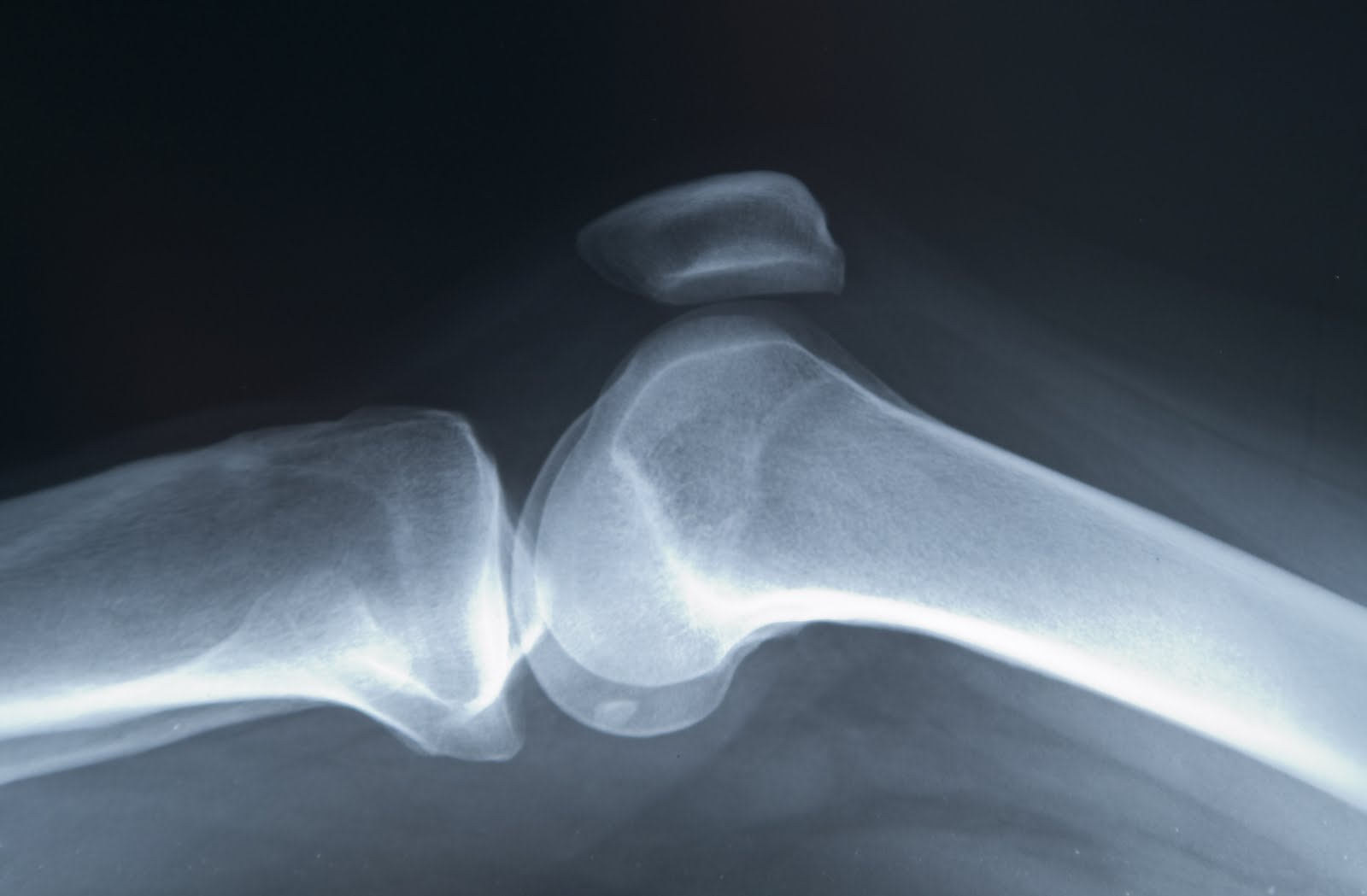
Bone mineral density is most often determined using dual energy X-ray absorptiometry, or DEXA, scanning, which measures the amount of low-energy and high-energy beams that pass through the bone during the X-ray.

A BMD T score measures the density of a patient's bone compared to a normal, healthy 30-year-old. A T score that is within 1 standard deviation of a healthy young adult is considered normal, while a BMD greater than 2.5 standard deviations from normal (-2.5) is the threshold for osteoporosis.

The University analyzed data from three prospective observational studies which followed 18,000 older people for an average of around 12 years, including 770 women and close to 1,200 men with type 2 diabetes.

During the follow-up, 84 women with diabetes and 32 men with diabetes experienced hip fractures; 262 women with diabetes and 133 men with diabetes experienced other non-spinal fractures.

Bone mineral density T scores and FRAX scores were both associated with hip and non-spine fracture risk in the diabetes patients.

The new findings confirm that a diabetes patient with a FRAX score of 3% has a higher fracture risk than a non-diabetes patient with the same score. If you have questions and would like more information please call our office to setup an appointment to talk to Anthony Cannon, MD at (609) 587-9944.

Sunday, May 8, 2011

Control your diabetes and the lower the risk of cancer

New research has shown that people who do not have diabetes or control their condition well could be at a lower risk of certain types of cancers and mortality. Meaning if you are not controlling your diabetes well, you should.

Scientists at the National Cancer Institute found that while diabetes can be connected to some lower occurrence of prostate cancer in men it is also linked to a higher risk of other cancers in men and women.

According to the research the NCI found that women had an eight percent chance and men had only a four percent chance of getting some kind of cancer; the mortality rate in men at 17 percent higher risk and women being an 11 percent.

Spokespeople from the Institute maintain that there is an added benefit from avoiding Diabetes through exercise, diet and maintaining a healthy body weight. The study confirms the added benefits decrease morbidity and mortality from certain cancers.

Another study led by Massachusetts General Hospital found that you can foresee the onset of type 2 diabetes more than a decade before the symptoms appear, optimistically helping to improve treatment options and allow patients to be more proactive in their hard work to hold off the condition.

While we like to let our readers know of the research that is happening to prevent and learn about Diabetes throughout the country we still would like our readers to make sure your blood sugar levels are checked at least every three years. If you have prediabetes, you should be checked for type 2 diabetes every 1-2 years after your diagnosis.

If you have questions and would like more information please call our office to setup an appointment to talk to Anthony Cannon, MD at (609) 587-9944.

Wednesday, May 4, 2011

Can Gastric Bypass Improve Diabetes

A new study from Duke University Medical Center and Columbia University claims that Gastric Bypass sometimes improves type 2 diabetes long before the patients lose weight.

Even thought the study was small; 21 in all. The surgery patients had lower levels of amino acids that have been linked to insulin resistance in their systems compared to the dieters. The 10 gastric bypass patients and the 11 calorie restricted dieters all lost just a fraction of the overall weight when the analysis was conducted. But researcher says the preliminary findings are tremendous and hopefully could one day lead to diabetes treatments.

Study researcher Blandine Laferrere, MD, of Columbia University’s St. Luke’s and Roosevelt Hospital Center, tells WebMD, “Certainly weight loss by any means improves type 2 diabetes, but there is something else going on with gastric bypass surgery,”

“Surgery puts the diabetes into remission. Most of the research has focused on changes in gut hormones, but we have shown that a decline in specific circulating amino acids also occurs.”

The study only included obese people with a BMI of 35 and greater from the gastric bypass side, while the dieters were strictly monitored on a 1000 calorie restricted diet.

At the time of the study all participants had lost an average of 20lbs. The surgery patients took only one month to achieve the 20lb goal while most of the dieters took two months to reach the 20lb goal for the study.

The analysis revealed that the surgery patients had much lower levels of several types of circulating branched-chain amino acids (BCAA) and the aromatic amino acids phenylalanine (Phe) and tyrosine (Tyr).

The greatest achievement for the study was the control in blood sugar for the gastric bypass patients, all were off all diabetes drugs after that one month period. The dieters did not have the same results as almost half still needed treatment after losing the same amount of weight.

They also had greater improvements in blood sugar control. One month after surgery, all of the gastric bypass patients were off all diabetes drugs. About half the dieters still needed treatment after losing the same amount of weight.

Laferrere says this understanding could lead to new diabetes treatments that are as effective as gastric bypass surgery. “It would not be possible to offer this surgery to everyone with type 2 diabetes,” she says. “About 28 million American adults have type 2 diabetes, and about 200,000 of these surgeries are done each year.”

For more information and news on diabetes and diabetes research please check our website regularly. http://anthonycannonmd.com/